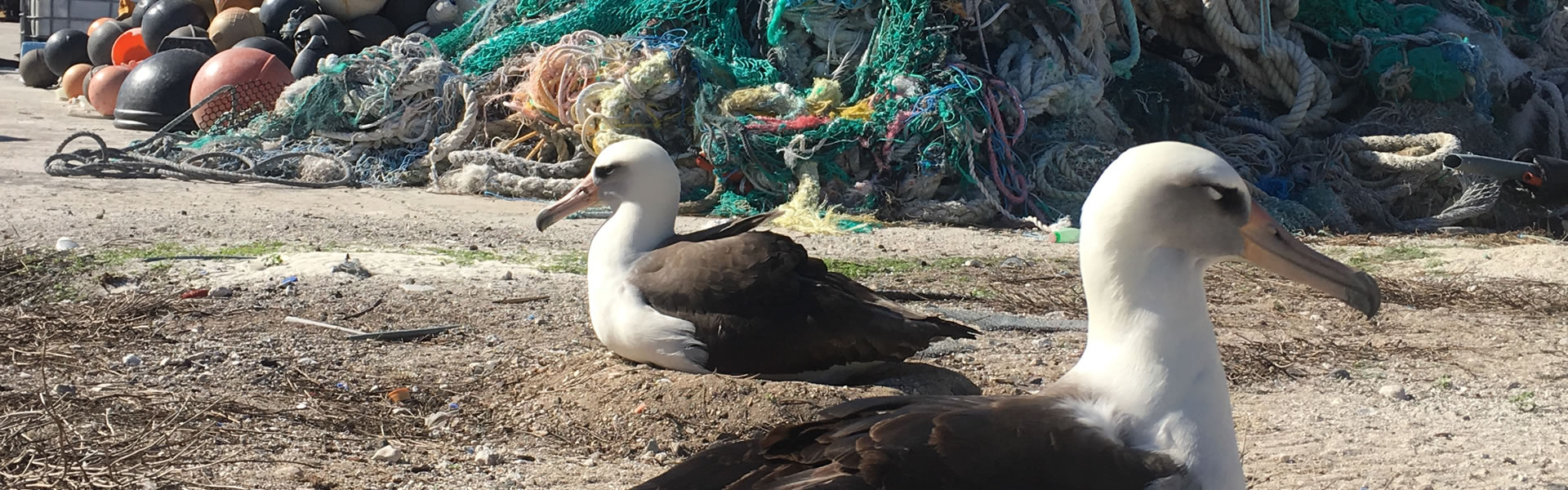
Blumenfeld-J-Midway-2016-01-Laysan-Albatross-Midway-Island-Marine-Pollution-Dump-B-Pair-cropped

Save The Albatross Coalition (STAC) is a coalition of nonprofits and institutions focused on plastic pollution in the ocean and coastal environment. Our work centers on public education and advocacy, lifting up the science and policy work being done by organizations like Moore Institute so a broader audience understands why it matters.

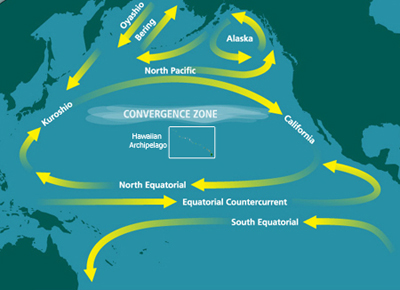
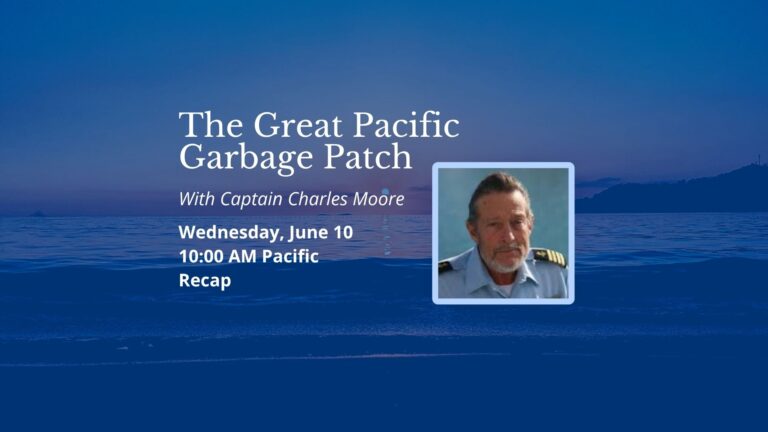
Join Save The Albatross Coalition (STAC) for a compelling presentation on the Great Pacific Garbage Patch, led by Captain Charles Moore, the researcher who discovered it. Captain Moore will make a short presentation. There will be a short documentary produced in collaboration with the Korean Broadcasting System (KBS), followed by an open discussion. The film chronicles his 20-year research journey with the Algalita Marine Research and Education team, exposing the devastating accumulation of 80,000 metric tons of plastic and the toll that microplastic “toxic confetti” takes on marine ecosystems and human health. The presentation will be offered twice: Wednesday, June 10 at 10:00 AM Pacific (ideal for North and South American audiences) and Wednesday, June 24 at 7:00 AM Pacific (timed for participants in India, Pakistan, Southeast Asia, and beyond).

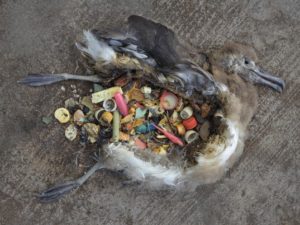
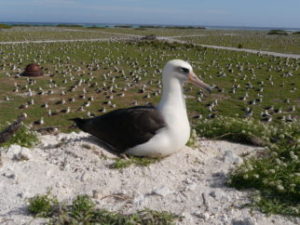
Every 90 seconds, another albatross chick dies with a belly full of plastic. Midway Atoll is where our bottle caps eclipse their lives.

The new disease caused by our plastics. Scientists just named the stomach scarring that’s killing our seabirds worldwide.

An albatross sees it as a buffet. With six times more plastic than plankton, they think it smells like dinner.

170 countries couldn’t agree. But your choices matter today. Albatrosses can’t wait until 2026.

Recent

More Plastic Than Life

Captain Charles Moore on the Great Pacific Garbage Patch On June 10, the Save The Albatross Coalition (a program of Zero Waste USA and a host of aligned nonprofits and institutions) hosted Captain Charles Moore for a morning with the man who found the Great Pacific Garbage Patch. He discovered it in 1997, almost by…
Read More More Plastic Than Life

A Few Pieces of Plastic Can Kill a Seabird. Now We Know Exactly How Few.

Picture a puffin. Compact, vivid, built for the open ocean. Now picture three sugar cubes. That volume of plastic, according to peer-reviewed research published last November in the Proceedings of the National Academy of Sciences, gives an Atlantic puffin a 90% chance of death. (Ocean Conservancy, November 2025) The study, led by Dr. Erin Murphy…
Read More A Few Pieces of Plastic Can Kill a Seabird. Now We Know Exactly How Few.